The cleanliness of the kitchen largely depends on the countertop. A clean and easy-to-maintain countertop can significantly enhance the overall appearance of the kitchen.
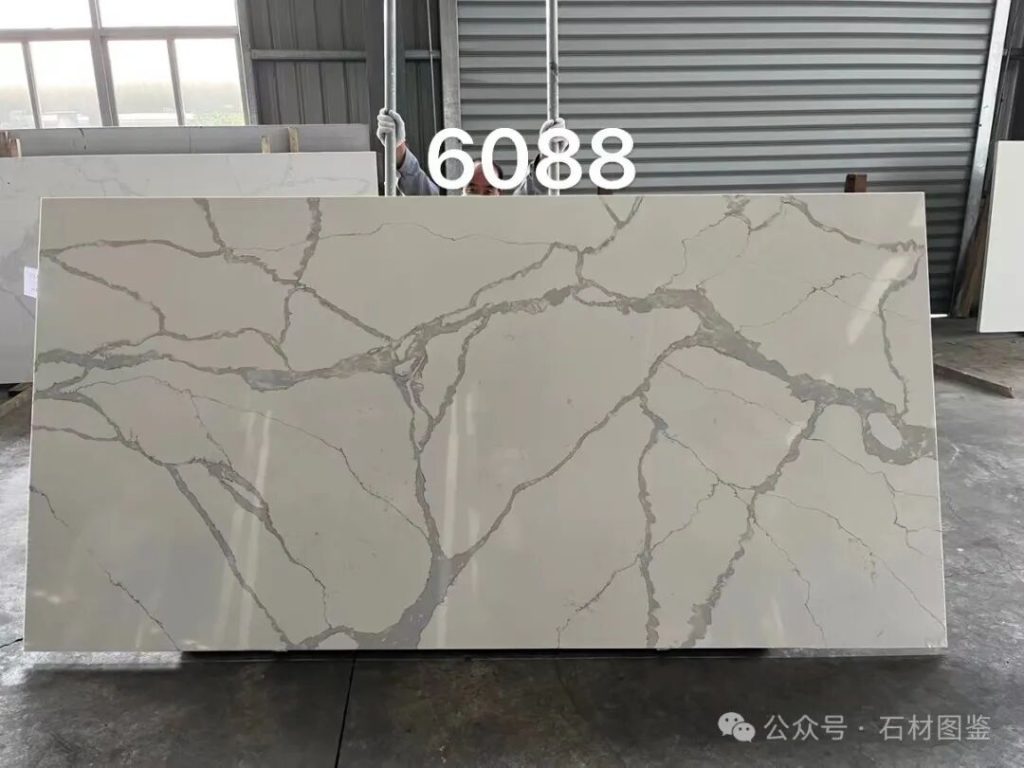
Proper maintenance and care of quartz countertops not only enhances the beauty of your kitchen but also keeps you in a good mood while cooking, ensuring the countertops remain shiny and durable over time. So, what precautions should we take during daily cooking and how should we maintain quartz countertops?
Usage Precautions
During daily use, employing heat-resistant mats and heat-resistant tripods can better protect the surface of the workbench.
Do not place high-temperature containers or hot pots directly or for extended periods on the countertop, especially on the edges, as this can easily cause cracks, fissures, or even breakage (hot pots, kettles, or other utensils removed directly from stoves, steamers, ovens, or microwaves can also damage the countertop).
During daily use, promptly wipe away any water stains on the countertop with a cloth and keep it as dry as possible.
Do not let the countertop soak or accumulate water for extended periods (especially at the edges of the sink). All countertops have a certain degree of water absorption, and prolonged soaking or water accumulation can easily cause cracks or fractures.
To prevent scratches from external forces, avoid directly chopping meat on the countertop. If meat needs to be chopped, place a thick cloth layer first, then a cutting board. Do not clean the countertop with wire balls or mechanical impacts such as knives or drill bits. Also, never step directly on quartz stone countertops (as kitchen countertops are perforated, stepping can easily cause damage).
Avoid contact between corrosive chemicals and the countertop. Cleaning agents containing any of the following chemicals—bleach, corrosive agents, rosin oil, high alkalinity, xylene, toluene, potassium hydroxide, caustic soda, dichloromethane, trichloroethane, etc.—are not suitable for cleaning quartz countertops. Examples: Stained wet rags (low-quality dyeing agents containing acidic/alkaline dyes), traditional Chinese medicine, rust, etc.
After covering the usage precautions, let’s now discuss the routine maintenance tips
Remove stains
During daily use, countertops inevitably become dirty and disordered due to stains from oil, coffee, wine, vinegar, sugar, salt, and other substances. For such stains, simply wipe with warm water and soap or a neutral detergent. For stubborn stains, a scouring pad can be used for removal.
Remove ink stains
For ink stains on a quartz stone countertop, first wipe the surface with a damp cloth, then use an eraser to remove them. If traces remain, mix powdered laundry detergent with water at a 1:0.5 ratio (the prepared detergent will be thick and have some abrasiveness). Apply the mixture to the countertop and let it sit for about 5 minutes. Scrub with a small brush, then rinse thoroughly with clean water.
Remove rust stains
Due to the abundance of metal cookware in the kitchen, water stains and rust marks are inevitable on the countertop. To remove these rust stains, wipe the surface with a damp cloth to clean off the visible grime. Then, soak the stains with toothpaste, white vinegar, or 84 disinfectant for about 10 minutes, followed by scrubbing with a cloth, and the stains can be easily removed.
The kitchen is the “heart” of a family. Whether it is clean or not directly affects your mood while cooking. With a good mood, the dishes you prepare will be exceptionally delicious.